Identifying Common Miami HVAC System Breakdown Indicators

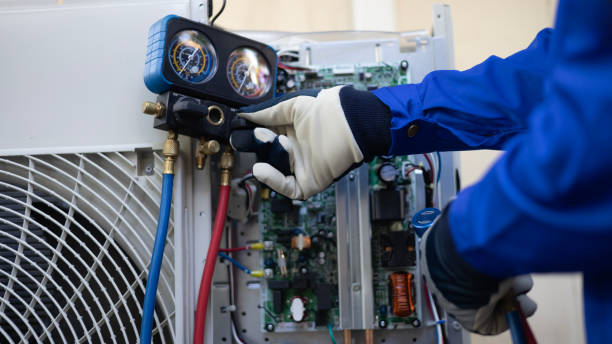
Air conditioner service .The air conditioner technician is using a gauge to measure the refrigerant pressure. air compressor. Air conditioner service .The air conditioner technician is using a gauge to measure the refrigerant pressure. air compressor. air conditioning repair stock pictures, royalty-free photos & images

Being able to identify the signs of an air conditioning system breakdown early can save time, money, and discomfort. When your AC unit begins to malfunction, it often provides several warning signals that indicate underlying issues requiring attention. Below are some of the most common signs that your air conditioner might be breaking down and why addressing them promptly is crucial.

Insufficient Cooling or Uneven Temperatures

One of the clearest signs your AC may not be functioning properly is when it struggles to cool your space effectively.
Inconsistent temperatures across different rooms or areas.
– The thermostat reading doesn’t match the actual comfort level in the home.
– Extended periods of operation without achieving desired cooling levels.

This issue can stem from problems such as clogged filters, low refrigerant levels, or a failing compressor.

Unusual Noises During Operation

Modern air conditioners are typically designed to operate quietly.
Grinding or squealing, which may indicate worn-out components like fan belts.
Hissing, often a sign of refrigerant leaks.
Banging or clanking, suggesting loose or broken parts within the unit.

These noises should not be ignored, as they could lead to more significant mechanical failures if left unaddressed.

Reduced Airflow from Vents

Another issue indicating potential trouble is weak airflow coming through the vents, which could point to:
– A blockage in the ductwork (e. g. , debris buildup).
– A malfunctioning blower motor preventing proper air circulation. – Dirty air filters restricting airflow.

High Energy Bills Without Increased Usage

A sudden spike in energy consumption despite no change in usage habits could mean your AC is operating inefficiently due to internal issues.
1. Dirty coils reduce heat exchange efficiency.
2. Aging components require more energy to function properly.
3. Leaks in refrigerant leading to longer run times for cooling cycles.

Monitoring monthly utility bills can help pinpoint inefficiencies early before they escalate into costly repairs.

Frequent Cycling On and Off (Short Cycling)


– An improperly sized system for your space. – Faulty sensors or thermostat calibration issues. – Overheated components shutting down prematurely.

Short cycling stresses internal parts unnecessarily and reduces overall system lifespan if unresolved quickly.

Persistent Moisture Issues Around the Unit

Excess moisture near your indoor unit is another red flag that warrants attention.
– Condensation drain line blockages causing water accumulation. – Refrigerant leaks creating condensation buildup around pipes.

Ignoring moisture problems increases risks of mold growth and water damage within your home.

Summary Table of Common Signs & Related Issues

Signs Potential Cause(s) Recommended Action
Insufficient cooling Clogged filters, low refrigerants Check/replace filters; inspect refrigerant levels
Unusual noises Worn belts, loose parts Get components inspected/replaced by a technician
Weak airflow Blocked vents/ducts Clean ducts; replace filters
Higher energy bills Inefficient operations Schedule maintenance/service
Short cycling Malfunctioning sensors Calibrate thermostat/check sizing
Persistent moisture Drain line clogs/refrigerant issues Repair leaks; clear drain pipes

Recognizing these typical signs and taking action promptly will ensure that minor problems don’t escalate into expensive repairs while also maintaining optimal indoor comfort year-round. Addressing these issues early extends the life span of your air conditioning unit while maximizing its efficiency over time.

Expert Tips for Reliable AC Repair Miami Residents Can Trust

Air conditioning systems are complex machines, and over time, they can encounter various mechanical issues that impact their performance. Recognizing and addressing these problems promptly can save on repair costs and ensure the unit operates efficiently. Below, we will delve into some of the most common mechanical issues and how they affect air conditioning performance.

Air filters are responsible for maintaining clean airflow throughout the system.

Effects of a Dirty Filter:– Reduced cooling efficiency. – Higher energy bills due to increased power consumption. – Poor indoor air quality caused by recirculated dust and allergens.

Solution:– Inspect filters every 1-3 months. – Replace disposable filters or clean reusable ones as recommended by the manufacturer.

A malfunctioning thermostat can lead to improper temperature regulation in your home. This issue may stem from outdated models or poor calibration.

Common Symptoms:– The AC runs continuously without shutting off. – Uneven cooling or inconsistent temperatures in different rooms.

Resolution Steps:– Check if thermostat batteries need replacement (for battery-operated models). – Recalibrate or upgrade your thermostat to a modern programmable or smart model for better efficiency.

The fan motor is crucial for circulating air across the evaporator coil and throughout the home. A failing motor can create unusual noises or lead to uneven airflow distribution.

Signs of a Failing Fan Motor:– Rattling or humming sounds during operation. – Limited airflow from vents despite the system running.

Repair Options:– Inspect fan blades for visible wear or obstruction. – Call a professional for motor replacement if damage is extensive.

Refrigerants play an essential role in cooling by absorbing heat from indoor air.

Symptoms of Refrigerant Problems:– Warm air blowing from vents instead of cold air. – Ice buildup on evaporator coils due to insufficient refrigerant flow.

Action Plan:– Schedule an inspection with an HVAC technician to identify leaks. – Recharge refrigerant levels as needed under professional supervision (handling refrigerants requires EPA certification).

Air conditioner service .The air conditioner technician is using a gauge to measure the refrigerant pressure. air compressor. Air conditioner service .The air conditioner technician is using a gauge to measure the refrigerant pressure. air compressor. air conditioning repair stock pictures, royalty-free photos & images

Table: Common Mechanical Issue Quick Reference

Issue Main Symptoms Recommended Action
Dirty Air Filters Reduced airflow, high energy bills Clean/replace filter regularly
Thermostat Problems Inconsistent temperatures Calibrate/upgrade thermostat
Fan Motor Failure Unusual noises, weak airflow Inspect blades; replace motor
Refrigerant Leaks Warm air, frozen coils Repair leaks; recharge refrigerant

Preventative Maintenance Tips

  1. Schedule annual tune-ups with a certified HVAC technician.
  2. Regularly clean components like condenser coils and blower fans to keep them debris-free.
  3. Monitor energy bills; sudden spikes could indicate potential inefficiencies in your system’s operation.
  4. Check ductwork periodically for any signs of leaks or blockages that could hinder overall performance.

By proactively addressing these common mechanical issues, homeowners can enjoy consistent cooling performance while extending their AC unit’s lifespan.

Top Solutions for Air Conditioning Problems from an HVAC Company Miami, FL

Air conditioning systems are complex machines, and even with proper maintenance, they can develop mechanical issues over time. Below are some common mechanical issues that can affect the performance of your air conditioning system and how to address them.

Air filters play a crucial role in maintaining indoor air quality and ensuring optimal airflow throughout the system. Dirty or clogged filters can block airflow, cause strain on the AC unit, and reduce cooling efficiency.

Signs of a clogged filter: – Reduced airflow from vents
– Uneven cooling in rooms
– Higher energy bills

How to address it:
– Inspect air filters monthly, especially during peak usage seasons.
– Replace disposable filters every 1-3 months or clean reusable ones as per the manufacturer’s instructions.

The thermostat serves as the control center for your AC system. When it malfunctions, you may experience inconsistent temperatures or a complete lack of cooling.

Common thermostat issues:
– Incorrect temperature readings
– Failure to turn the system on/off
– Outdated or failing components in older thermostats

Solutions:
– Check thermostat settings to ensure they are appropriate (e. g. , set to “cool” mode).
– Replace batteries if necessary.
– Consider upgrading to a programmable or smart thermostat for better control and energy savings.

Over time, wear and tear can affect electrical components such as capacitors, relays, or wiring inside an AC unit.

Warning signs:– A buzzing sound coming from the outdoor unit indicates capacitor issues. – Frequent tripping of circuit breakers may point to electrical overloads.

How to handle it:Electrical repairs should always be handled by a trained technician due to safety concerns and complexity.

The evaporator coils in your AC unit help extract heat from indoor air for effective cooling. However, frozen coils disrupt this process.

Steps to resolve this issue:1. Turn off the AC immediately to allow ice buildup on coils to melt naturally. 2. Check for underlying problems like clogged filters or low refrigerant; schedule professional service if needed.

Preventive Tips for Mechanical Issues

Maintenance Task Recommended Frequency Benefits
Replace/clean air filters Monthly/Semi-Monthly Improved airflow & efficiency
Schedule professional tune-ups Annually Early detection of hidden issues
Inspect outdoor condenser unit Seasonally Avoid debris-related blockages

By addressing these common mechanical issues early on and following preventive measures regularly, you can ensure that your AC functions efficiently throughout its lifespan while minimizing costly repairs down the line.

Tips for AC Replacement Miami: Dealing with Refrigerant Leaks, Frozen Coils, and More

Air conditioning systems are complex machines that require routine maintenance to function efficiently. However, certain problems like refrigerant leaks, frozen coils, and other issues can disrupt their performance. Knowing how to address these problems can save you time and reduce the likelihood of costly repairs.

Identifying Refrigerant Leaks

Refrigerant is a vital component of your air conditioning system—it absorbs heat and helps cool your home. A refrigerant leak can cause various performance issues and raise energy bills.

  • Warm air blowing from vents despite the system running.
  • Hissing or bubbling noises from the AC unit.
  • Ice forming on the refrigerant lines or evaporator coil.
  • Reduced cooling efficiency or longer run times.
  • Turn off the AC system immediately to prevent further damage.
  • Inspect visible components for signs of leaks (e. g. , oil residue around lines).
  • Contact a professional HVAC technician to locate and repair the leak. Attempting to fix refrigerant issues without proper training is not recommended due to safety risks.

Managing Frozen Evaporator Coils

Frozen evaporator coils often result from restricted airflow or low refrigerant levels, leading to inefficient cooling or complete AC failure.

  • Dirty air filters reducing airflow.
  • Blocked supply vents or ducts.
  • Turn Off Your System:Shut down your unit immediately if you notice ice forming on the coils. Let it thaw completely before proceeding with any troubleshooting steps.
  • Check Air Filters:Replace clogged filters with new ones designed for your specific unit type.
  • Inspect Vents & Ducts:Ensure all supply vents are open and free from obstructions such as furniture or debris.

If frozen coils persist after addressing airflow issues, contact an HVAC technician to check for underlying causes like low refrigerant levels or malfunctioning components.

Other Common AC Problems

Problem Symptoms Possible Solutions
Dirty Condenser Coils Reduced cooling efficiency Clean condenser coils using appropriate tools.
Faulty Thermostat Fluctuating indoor temperature Replace batteries; upgrade thermostat if needed.
Clogged Drain Line Water leakage around indoor unit Flush drain line with vinegar solution or use a wet/dry vacuum.

When DIY Repairs Aren’t Enough

While minor fixes such as changing air filters can be done yourself, complex problems like refrigerant leaks require specialized equipment and expertise. Addressing these issues promptly ensures your system operates efficiently while avoiding more significant damage over time.

When to Call a Professional for Comprehensive AC Repair Services

Air conditioning systems are critical for maintaining comfort, especially during warmer months. While many minor issues can be resolved with basic troubleshooting, there are situations where professional intervention is essential. Knowing when to call a qualified technician can save you time, money, and prevent further damage to your system. Below are some common scenarios where professional AC repair services should be considered.

If your air conditioner struggles to cool your space despite adjusting the thermostat, it might indicate underlying problems such as:
Refrigerant Leaks:
Compressor Malfunctions:As the heart of your AC system, a failing compressor requires specialized tools and expertise to repair or replace.
Blocked or Dirty Coils:Evaporator or condenser coil build-up can restrict airflow and diminish cooling performance.

A trained technician has the necessary tools to diagnose these issues accurately and implement effective solutions.

Odd sounds like grinding, rattling, or hissing coming from your unit often point toward mechanical failures such as:
– Loose components within the system.
– A faulty motor or fan requiring lubrication or replacement.

Strange odors—such as musty smells—may also signify mold growth inside ducts or moisture-related issues that warrant expert attention.


| Possible Cause | Description |
|—————————-|—————————————————|
| Airflow Obstructions | Clogged filters cause your system to overwork itself.

| Outdated Components | Worn-out parts may force the system into inefficient operation.

An HVAC professional can inspect your unit thoroughly for inefficiencies and suggest cost-effective fixes.


– Incorrectly sized units installed inappropriately for the room size. – Electrical control board malfunctions. – Overheating caused by clogged filters or mechanical faults.

Such problems require precise diagnosis by skilled technicians with experience handling electrical systems safely.

Weak airflow indicates blockages within ducts, failing fans, or motorized damper issues—none of which should be addressed without professional assistance due to their complexity and potential risks involved in tampering with electrical parts.


Benefits of Hiring Professionals for AC Repairs

Opting for professional services ensures:
1) Safety Compliance:Licensed experts follow industry standards during repairs while managing hazardous materials like refrigerants responsibly.Warranty Preservation:DIY repairs may void warranties provided by manufacturers; certified technicians help maintain coverage terms effectively.Long-Term Solutions:Trained specialists deliver repairs designed not just as quick fixes but solutions promoting durability across seasonal usage cycles.

By recognizing these scenarios early on (and turning promptly toward reliable service prTechnician is checking air conditioner. Air conditioning, HVAC service technician using gauges to check refrigerant and add refrigerant. Technician is checking air conditioner. Air conditioning, HVAC service technician using gauges to check refrigerant and add refrigerant. air conditioning repair stock pictures, royalty-free photos & imagesoviders), homeowners ensure optimal operational lifespan alongside lowered chances encountering sudden breakdowns mid-season!

Selecting a Reliable Service Provider for Expert Air Conditioner Repairs

Choosing the right service provider for air conditioner repairs is crucial to ensuring your system is repaired efficiently and runs smoothly for years to come. With numerous options available, it can be challenging to make the best choice. Below are key factors to consider when selecting a reliable professional for AC repairs.

Factors to Consider When Choosing an AC Repair Service

  1. Verify the company’s experience in repairing air conditioning systems, especially those that align with your specific unit type (e. g. , central air, split-system, or ductless mini-split systems).
  2. Look for technicians who are certified by organizations such as NATE (North American Technician Excellence) or have completed manufacturer-specific training programs.
  3. Ensure the service provider has valid licenses required by your state or local authorities. Licensing demonstrates that the company adheres to industry standards and regulations.
  4. Confirm they carry sufficient liability insurance to cover potential damages during the repair process.
  5. Research online reviews on platforms like Google, Yelp, or the Better Business Bureau (BBB). A track record of positive reviews often reflects customer satisfaction.
  6. Seek recommendations from friends, family, or neighbors who have had positive experiences with local HVAC companies.
  7. Request a detailed estimate before agreeing to any repair work. A reputable company will provide upfront pricing without hidden fees or unnecessary upselling of services you don’t need.
  8. Compare quotes from multiple providers but avoid basing your decision solely on cost—quality should always be a top priority.
  9. Check if the provider offers 24/7 emergency repair services, particularly during peak summer months when AC breakdowns can occur unexpectedly.
  10. Ask whether they offer warranties on their repairs as well as parts used during service appointments.
  11. A solid guarantee reflects confidence in their workmanship and ensures peace of mind should issues arise after repairs are completed.

Questions to Ask Before Hiring an AC Repair Technician

  • Are you licensed and insured?
  • How much experience do you have with my specific type of air conditioning unit?
  • Can you provide references or examples of recent work?
  • What is included in your estimate? Are there additional charges I should expect?
  • Do you offer maintenance plans after repairs are completed?

A trustworthy contractor will answer these questions transparently and with confidence, helping build trust in their ability to handle your repair needs.

A Quick Comparison Table: Professional vs DIY Repairs

Factor Professional Repair Services DIY Repairs
Expertise Certified technicians with specialized training Limited knowledge may lead to mistakes
Tools & Equipment Access to advanced tools May lack necessary tools
Time Efficiency Faster diagnosis and repair Can take significantly longer
Warranty Coverage Often includes labor/parts warranties No warranty protection
Safety Considerations Minimizes risk of injury/damage Higher risk without proper precautions

While certain minor tasks like cleaning filters can be tackled by homeowners, complex issues such as refrigerant leaks or compressor failure require professional attention for safe resolution.

Building Long-Term Relationships With a Service Provider

Once you’ve identified a reliable AC repair service, it is worth considering long-term collaboration through annual maintenance plans or recurring tune-ups. Regular servicing not only extends your system’s lifespan but also helps prevent costly breakdowns over time while maintaining optimal indoor air quality in your home or office space.

Always prioritize trustworthiness, expertise, and proactive communication when choosing an AC repair partner who understands your needs thoroughly.


Essential Steps to Handle Emergency Air Conditioning Repair Miami Situations Before Help Arrives

Close-up Air conditioner technician hand check fill refrigerant liquid and maintenance condenser unit, Home care service Close-up Air conditioner technician hand check fill refrigerant liquid and maintenance condenser unit, Home care service air conditioning repair stock pictures, royalty-free photos & images

Emergencies involving your HVAC system can occur at the most inconvenient times, leaving you uncomfortable and stressed. Knowing how to respond quickly and effectively can prevent further damage, ensure safety, and potentially save money before a professional technician arrives. Below are common emergency scenarios and the critical steps you should take when they arise.

Common HVAC Emergencies

  1. The HVAC system stops functioning entirely, leaving no heating or cooling.
  2. Tripping circuit breakers or lack of power reaching the unit.
  3. Water pooling around the indoor unit or evidence of moisture damage.
  4. Unusual sounds like grinding, banging, or burning smells.
  5. Reduced cooling efficiency or hissing sounds near the refrigerant lines.

Essential Steps to Take

  1. Turn Off Your System if Necessary
    If your air conditioner is making loud noises, emitting a burning odor, or leaking water excessively, switch off the system immediately to prevent further damage or hazards.
  2. Check for Power Issues
    Ensure that your circuit breaker has not tripped. Reset it if necessary but only once; repeated trips often indicate a larger issue requiring professional diagnosis.
  3. Inspect Your Thermostat Settings
    Verify that your thermostat is set correctly (e. g. , cooling mode during summer). An incorrectly programmed thermostat could mimic system failure.
  4. Look for Obvious Blockages
    Examine air vents and filters for blockages caused by dirt or debris as this can restrict airflow and cause overheating.
  5. Contain Water Leaks Safely
    Place towels or a container beneath any leaks from your indoor unit to prevent water damage to floors or walls until a technician can address the source of the problem.
  6. Ensure Proper Ventilation During Gas Leaks
    If you suspect a refrigerant leak based on hissing sounds or reduced cooling performance, open windows for ventilation and evacuate the area until it is safe to re-enter after an expert has inspected it.

Safety Tips During an HVAC Emergency

  • Avoid attempting DIY repairs as this may void warranties or cause personal injury.
  • Keep children and pets away from malfunctioning equipment.
  • If you notice sparks, burning smells, or smoke emanating from your unit, exit your home immediately and call emergency services before contacting an HVAC professional.
  • Document any visible issues (e. g. , leaks or damaged components). This information may assist technicians during their inspection process.

When to Call for Professional Assistance

While some minor issues can be handled through preventative maintenance (e. g.

Problem Type Signs That Professional Help Is Required
Electrical Malfunctions Repeated tripping breakers; sparking wires
Refrigerant Leaks Hissing noise; ice buildup on coils
Compressor Failure Loud clanking noises; lack of airflow
System Overheating Unit shuts down frequently due to overheating parts

If you’re unsure whether an issue qualifies as an emergency, err on the side of caution by consulting with qualified professionals who can guide you through next steps over the phone—minimizing risks while waiting for their arrival.

Tips for Effective AC Repair Miami Homeowners Can Use to Fix Water Leaks in Units

Water leaks in air conditioning units are a common issue that homeowners face. Ignoring these leaks can lead to water damage, mold growth, and reduced efficiency of your unit. Proper understanding of the causes and solutions can help address this problem effectively.

  1. The condensate drain line carries excess moisture from your AC system to the outside. Over time, dirt, debris, or algae can clog the line, causing water to back up and leak from your unit.
  2. A dirty or clogged air filter restricts airflow over the evaporator coil. This can cause the coil to freeze, and when it melts, excess water may overflow from the drain pan.
  3. The drain pan is designed to collect condensation from the evaporator coil. If it becomes corroded or cracked due to age or wear, water can leak instead of draining properly.
  4. Insufficient refrigerant causes reduced pressure in your system, leading to freezing of the evaporator coil. As with dirty filters, this ice will melt and create excessive water.
  5. In some cases, an incorrectly installed AC unit may not have proper drainage angles or connections, leading to persistent leaks.
  6. During particularly humid weather conditions, your unit might struggle with managing excess moisture effectively, resulting in leaks.

Steps to Address Water Leaks

  1. Prevent further damage by switching off your system immediately upon identifying a leak.
  2. Remove any dirt or debris clogging the filter and replace it if necessary.
  3. Use a wet/dry vacuum to remove clogs in the drain line.
  4. Alternatively, pour a mixture of vinegar and warm water into the line for maintenance purposes.
  5. Inspect both the drain pan and coils for cracks or rust.
  6. Low refrigerant levels often require professional attention as they indicate larger system issues like leaks within refrigerant lines.
  7. Verify that your AC is installed at an angle that allows for proper drainage if applicable.

Preventing Future Water Leaks

  • Schedule regular maintenance checks by HVAC professionals every 6-12 months.
  • Clean or replace air filters every 1-3 months based on usage.
  • Periodically inspect drain pans and condensate lines for signs of wear or buildup.
  • Invest in a dehumidifier if you live in areas with high humidity levels that strain AC systems.

By addressing small problems early on through routine care and inspections, you can extend both performance longevity while avoiding costly repairs due-to neglect-induced failures

Identifying Water Leak Issues in AC Units with an HVAC Company Miami, FL

Water leaks in air conditioning units are a common yet often overlooked issue that can lead to costly damage if not addressed promptly.

  1. The condensate drain line is responsible for removing excess moisture produced during the cooling process.
  2. Low refrigerant levels or poor airflow can cause evaporator coils to freeze. When they begin to thaw, excessive water can overflow from the drip pan.
  3. The drain pan collects condensation from your system. If it becomes cracked or rusted, water will leak instead of being properly drained.
  4. An incorrectly installed unit may result in misaligned components or poor drainage.
  5. Lack of routine maintenance can exacerbate minor issues over time, increasing the likelihood of a water leak.
  6. Insufficient refrigerant leads to lower pressure within the system and may cause evaporation coil freezing, eventually leading to leaks as ice melts.

Step-by-Step Solutions for Water Leaks

  1. Use a wet/dry vacuum to suction out any blockages.
  2. Alternatively, flush the line with a mix of vinegar and warm water to remove buildup.
  3. Turn off your AC system immediately if you notice ice on the coils.
  4. Allow time for thawing before inspecting underlying causes like restricted airflow or low refrigerant levels.
  5. Inspect the drain pan for cracks or rust.
  6. If damaged beyond repair, replace it with a new one designed specifically for your unit’s model.
  7. Confirm that your AC system is level to ensure proper water drainage.
  8. Contact an HVAC technician if adjustments are needed post-installation.
  9. Routine servicing ensures components like filters, coils, and drains remain clean and functional.

Preventative Measures

  • Regular Filter Replacement:Dirty filters restrict airflow and increase condensation around evaporator coils.
  • Annual Professional Inspection:Have an HVAC technician perform yearly tune-ups to detect early signs of wear or malfunction.
  • Install a Safety Switch:A float switch on your condensate drain will automatically shut down the unit when excess water is detected.
Cause Solution Preventative Action
Clogged drain line Clear blockage using vacuum/vinegar Clean regularly
Frozen evaporator coil Thaw coil; check airflow/refrigerant Replace filters; ensure airflow
Damaged drain pan Repair/replace damaged pan Inspect during maintenance

Addressing an AC unit’s water leak promptly not only protects your property but also ensures optimal functionality of your cooling system long-term. By understanding these common causes and solutions, you can minimize disruptions while maintaining comfort in your home or business environment effectively.

Close-up Air conditioner technician hand check fill refrigerant liquid and maintenance condenser unit, Home care service Close-up Air conditioner technician hand check fill refrigerant liquid and maintenance condenser unit, Home care service air conditioning repair stock pictures, royalty-free photos & images

Common Signs You May Need an AC Replacement Miami Homeowners Should Know

A malfunctioning air conditioning (AC) system can make your home uncomfortable, especially during extreme weather. If your AC system is not cooling or heating efficiently, understanding the root cause is important before taking corrective action. Below are some of the most common reasons why your AC may be underperforming, along with solutions.

One of the most frequent issues affecting AC performance is a clogged or dirty air filter. A blocked filter restricts airflow, reducing the system’s overall efficiency.

Signs: – Weak airflow from vents
– Dust accumulation around your home

Steps to Fix:– Check and replace air filters every 1–3 months during heavy use. – Opt for high-quality filters that balance filtration effectiveness with proper airflow.

Refrigerant is essential for cooling and heating in an AC system. If levels are low, it may indicate a leak or improper charging during installation.

Signs: – Poor cooling performance – Hissing or bubbling noises near refrigerant lines

Solutions:– Contact an HVAC professional to locate and repair leaks. – Ensure proper refrigerant recharging by trained technicians.

A faulty thermostat can miscommunicate with your AC unit, causing it to fail at maintaining desired temperatures.

Symptoms:– The system shuts off prematurely. – Room temperatures don’t match thermostat settings.

What You Can Do:– Check thermostat settings (e. g. , ensure it’s set to “cool” or “heat” mode).
– Replace batteries in battery-powered thermostats. – Upgrade to a smart thermostat for improved accuracy and energy efficiency.

Outdoor condenser units can become obstructed by debris like leaves, dirt, or weeds, which hinders heat exchange.

Inspection Checklist: | Potential Obstructions | Action Steps | |——————————–|———————————-| | Leaves | Remove using gloves or blower | | Dirt | Gently clean with a soft brush | | Overgrown vegetation | Trim plants away from the unit |

Properly clearing the area around your condenser ensures optimal airflow for heat dissipation.

Air ducts distribute conditioned air throughout your home. Damaged ducts can result in energy loss and uneven cooling or heating.

Indicators of Duct Problems: – Uneven temperature in different rooms – Whistling sounds within walls

Solutions:Inspect visible ductwork for tears or gaps. 2. Seal any leaks using metal tape or mastic sealant. 3. Schedule an inspection with an HVAC specialist for concealed ductwork issues.

Neglecting regular maintenance is another major factor contributing to poor AC performance over time.

Recommended Actions:– Schedule annual professional tune-ups for cleaning essential components like coils and fans. – Keep an eye on performance metrics such as airflow strength and noise levels between services.

By systematically addressing these potential causes, homeowners can restore their AC systems’ performance while ensuring long-term reliability and comfort indoors.

Identifying and Addressing Strange Noises or Odors Coming from Your Air Conditioner

Strange noises or unpleasant odors emanating from your air conditioner can be early signs of underlying problems that need to be addressed before they escalate into costly repairs. Understanding the potential causes of these issues is essential for proper maintenance and ensuring the efficiency of your HVAC system. Here are common noises and odors you may encounter, along with steps to identify and address them.

Common Air Conditioner Noises and Their Causes

  1. Possible Cause: Loose or broken components inside the unit, such as a fan blade or motor.
  2. What to Do: Turn off the unit immediately to prevent further damage. Check for visible loose parts if safely accessible. Call a professional HVAC technician for repair.
  3. Possible Cause: Electrical issues like faulty wiring, loose connections, or failing capacitors.
  4. What to Do: Avoid running the system to prevent electrical hazards. Contact a licensed electrician or HVAC specialist to inspect the issue.
  5. Possible Cause: Refrigerant leaks in the system or a leaky ductwork connection.
  6. What to Do: Since refrigerant leaks can be hazardous, it’s crucial not to attempt DIY repairs. A certified technician can locate and repair the leak safely.
  7. Possible Cause: Debris caught in the outdoor condenser unit or loose screws in panels.
  8. What to Do: Switch off the system and inspect for debris around the condenser unit. Remove any visible obstructions carefully.
  9. Possible Cause: Issues with belts or fan motors needing lubrication.
  10. What to Do: Schedule a maintenance visit with an HVAC professional for lubrication needs or component replacement.

Unusual AC Odors and Their Meaning

  1. Indicates potential electrical overheating due to worn-out parts, wiring issues, or motor problems.
  2. Suggests mold growth within ducts, filters, or evaporator coils often caused by excess moisture buildup.
  3. Could signal a natural gas leak if your system uses gas-powered heating elements.
  4. Often points toward refrigerant leaks that can compromise cooling efficiency.

Steps to Address Strange Odors

  • Replace air filters regularly (every 1-3 months depending on usage) as clogged filters contribute significantly to odors.
  • Clean condenser coils annually using coil cleaning solutions designed specifically for HVAC systems.
  • Inspect drain pans for stagnant water caused by clogged drain lines.
  • Shut off all gas supplies immediately.
  • Evacuate occupants from your home promptly.
  • Contact both your utility provider and an experienced technician.
Type of Issue Potential Causes Recommended Action
Burning Smell Overheating wires/motors Turn off power; call an electrician
Moldy/Musty Odor Moisture/mold growth Clean ducts/coils; inspect drain lines
Chemical Smell Refrigerant leak Consult certified technician
Banging/Clanking Noise Loose internal components Power down; schedule service

Regular maintenance is key in preventing strange noises or odors from developing over time in your air conditioning system by ensuring all components function optimally year-round while extending its overall lifespan through early problem detection practices effectively

Warning Signs of Gas Leaks in Miami HVAC Systems and Immediate Steps to Take

Gas leaks in air conditioning systems can pose serious risks to both your health and the environment. Refrigerants, commonly used gases in AC systems, are crucial for cooling but can be hazardous when leaked. Addressing potential leaks promptly is critical to ensure safety and maintain system efficiency.

Common Warning Signs of Gas Leaks

Identifying gas leaks early can save you from costly repairs and potential health hazards.

  • If you notice hissing sounds near the AC unit, it may indicate a refrigerant leak. Bubbling noises often accompany this if the refrigerant escapes as a liquid.
  • A gas leak leads to insufficient refrigerant levels, which reduces the cooling or heating efficiency of your system. Rooms may feel warmer despite the AC running continuously.
  • While refrigerants are generally odorless, certain types might emit a faint chemical smell if leaking. Any unusual or persistent odors warrant an inspection.
  • Insufficient refrigerant due to a leak can cause evaporator coils to freeze over, leading to reduced performance and possible damage.
  • A leaking AC system works harder than usual to maintain desired temperatures, consuming more energy and increasing utility bills.

Steps to Take Immediately if You Suspect a Gas Leak

  1. Shut down your AC unit immediately to prevent further leakage and avoid strain on the system components.
  2. Open windows and doors in your home to allow fresh air circulation. This step minimizes exposure to any escaped gases indoors.
  3. Refrigerants are generally non-flammable; however, certain conditions could pose risks with electrical sparks or activities near the leakage site.
  4. Look for grease marks or oily residue around connection points, which could indicate refrigerant loss at those areas.
  5. Never attempt DIY repairs for suspected gas leaks as handling refrigerants requires specialized tools and certifications.

An air conditioner being fixed Air conditioner in need of service or repair. air conditioning repair stock pictures, royalty-free photos & images

Why Prompt Action Is Essential

Risk Type Description Example Impact
Health Risks Prolonged exposure may cause dizziness, headaches, or respiratory issues depending on the type of gas used. Personal health issues
Environmental Damage Leaked refrigerants like R-22 (Freon) contribute significantly to ozone depletion if left unchecked. Global warming impact
System Degradation Operating with reduced refrigerant can damage key components such as compressors. Expensive replacements

Preventive Measures Against Gas Leaks

  • Schedule regular maintenance checks with certified HVAC professionals.
  • Monitor refrigerant levels during maintenance visits.
  • Ensure proper installation of HVAC systems by licensed technicians.
  • Replace aging units that rely on outdated refrigerants like R-22 with newer models using eco-friendly alternatives such as R-410A.

By staying vigilant about these warning signs and taking immediate action when necessary, you can protect both your home’s comfort and your family’s safety while extending the lifespan of your AC system efficiently.

When Is It Time for an Air Conditioning Replacement?

Replacing an air conditioning system can be a significant investment, so it’s important to know when it’s time to make the switch. Over time, AC units become less efficient and more prone to breakdowns. Here are the key factors to consider when determining if it’s time for a replacement.

Air conditioning systems typically last between 10-15 years, depending on their quality and how well they are maintained. If your unit is nearing or has surpassed this age range, it may be less energy-efficient and require frequent repairs.

  • Signs of aging systems:
    • Rising energy bills without increased usage.
    • Difficulty maintaining consistent temperatures.
    • Frequent breakdowns.

If you find yourself frequently calling for repairs, especially for major components like compressors or evaporator coils, it might be more cost-effective to replace the system rather than continue investing in an outdated unit.

Repair Cost as % of Replacement Recommended Action
Less than 30% Opt for repair
30%-50% Consider replacement soon
Above 50% Replace immediately

Older AC units often have lower energy efficiency ratings compared to modern systems. Upgrading to a new unit with a higher Seasonal Energy Efficiency Ratio (SEER) can lead to significant savings on energy bills over time.

  • Look for units with:
    • A SEER rating of 16 or above.
    • ENERGY STAR certification.

Modern systems are designed with advanced features that optimize performance while reducing power consumption.

If certain rooms remain warmer or cooler than others despite proper maintenance, it could indicate that your AC is struggling due to age or capacity issues. This is often a sign that the system can no longer handle your household’s cooling demands efficiently.

Reasons for inconsistent cooling may include: – An undersized or oversized unit. – Ductwork leaks. – Wear and tear on essential components.

If your current unit uses R-22 refrigerant (Freon), which has been phased out due to environmental concerns, it’s worth considering a replacement. Modern units use R-410A refrigerant, which is more environmentally friendly and widely available.

  • Benefits of upgrading:
    • Reduced environmental impact.
    • Avoid increasing costs associated with dwindling R-22 supplies.

Short cycling occurs when an air conditioner turns on and off repeatedly without completing its cooling cycle. This issue can indicate inefficiency or mechanical problems that may necessitate replacement if repairs don’t resolve the problem.

Common causes of short cycling:
  • Oversized AC units.
  • Malfunctioning thermostats.
  • Failing electrical components such as capacitors or relays.

Final Thoughts

Understanding these key factors can help you decide whether repairing or replacing your air conditioning system is the best choice for your needs and budget. Regular maintenance and timely decisions regarding replacements can ensure optimal performance while saving costs in the long term.


What to Expect and How to Prepare for Sudden Air Conditioning Repair Miami Services

air conditioner maintenance and repair. hvac service technician at work air conditioner maintenance and repair. hvac service technician at work air conditioning repair stock pictures, royalty-free photos & images

When your air conditioning system breaks down unexpectedly, it can create significant discomfort, especially during extreme temperatures. Emergency AC repairs become essential in such situations. Understanding what to expect and how to prepare can save time, reduce stress, and ensure a smoother repair process.

Understanding the Nature of an AC Emergency

  • Complete System Failure: If your AC stops working entirely during peak summer or winter months.
  • Refrigerant Leaks: Leaks can compromise cooling performance and pose environmental or health hazards.
  • Electrical Issues: Signs of burning smells, tripped breakers, or sparking components indicate serious concerns.
  • Frozen Coils: Ice build-up on evaporator coils hinders the system’s efficiency and can lead to further damage if ignored.
  • Unusual Noises or Vibrations: Grinding, screeching, or banging noises could signify motor failure or loose components.

Preparing for an Emergency Repair

  1. Turn Off Your System
    If your system shows signs of malfunction (e.g., unusual noises or leaks), shut it down immediately. This prevents further damage.
  2. Document the Issue
    Make notes about any unusual symptoms — strange sounds, odors, changes in performance — and when they started. Providing a clear description will assist your technician in diagnosing the issue.
  3. Verify that your thermostat is set correctly.
  4. Ensure circuit breakers haven’t tripped.
  5. Inspect filters for clogs that might restrict airflow.
  6. Clear Access to Your Unit
    Technicians need easy access to the indoor and outdoor units. Clear away furniture, debris, or objects surrounding these areas.
  7. Have Necessary Information Ready
    Be prepared to share details about:
  8. The system’s make and model
  9. Any warranties
  10. Maintenance records (if applicable)

What Happens During Emergency AC Repairs?

Step Description
Initial Inspection The technician will inspect the unit for visible damage or faults using tools like gauges and diagnostic equipment.
Problem Diagnosis Based on their assessment, they identify root causes behind symptoms reported.
Quick Fixes (If Possible) Temporary solutions may be applied if parts aren’t readily available.
Cost Estimate You’ll receive a breakdown of service costs before major repairs begin.
Repairs & Testing Once approved by you ,they perform needed actions then test operational functionality afterward.

Benefits Of Staying Prepared

Proper prep makes diagnosis quicker while lowering risks prolongational damages escalating costs ;

When to Act on an AC Repair Emergency in Miami

An air conditioning (AC) emergency can be stressful, especially during extreme weather conditions. Understanding what constitutes an AC repair emergency and knowing when to act can save time, prevent further damage, and ensure the comfort of your home. Not every issue with your AC system is an immediate emergency, but certain situations warrant prompt professional attention.

What Qualifies as an AC Repair Emergency?

  1. Total System Failure
    If your AC stops working entirely during peak summer or winter months, it qualifies as an emergency due to health risks associated with extreme heat or cold.
  2. Refrigerant Leaks
    A refrigerant leak doesn’t just affect cooling performance; it can also pose health hazards and environmental concerns. This issue requires urgent repair to restore functionality and ensure safety.
  3. Electrical Issues
    Burning smells or frequent tripping of circuit breakers indicate electrical problems within your AC system. These issues pose a fire risk and demand immediate intervention by a trained technician.
  4. Frozen Evaporator Coils
    Ice buildup on evaporator coils restricts airflow and may cause long-term damage if left untreated, making it a pressing concern.
  5. Uncontrolled Water Leaks
    Water pooling around your unit or dripping from vents could lead to structural damage or mold growth if not addressed quickly.
  6. Unusual Noises or Vibrations
    Grinding, banging, or screeching noises often signal serious mechanical issues that need attention before they escalate.

When Should You Act?

  • Safety Concerns: If there is a risk of fire, toxic gas leaks (like refrigerant), or water damage, call for professional help immediately.
  • Rapid Decline in Comfort Levels: When the temperature indoors becomes unbearable due to a malfunctioning system.
  • Recurring Problems: Issues that persist despite minor troubleshooting attempts usually signal deeper failures requiring expert diagnosis.

DIY Troubleshooting Before Seeking Professional Help

  • Check the thermostat settings to ensure accuracy.
  • Replace air filters if they are dirty or clogged.
  • Reset the circuit breaker if it has tripped.
  • Inspect vents for blockages that might restrict airflow.
  • Confirm all windows and doors are closed properly to maintain indoor temperature control.

If these steps do not resolve the issue or you suspect significant damage, refrain from attempting further repairs yourself.

Benefits of Acting Quickly in Emergencies

Benefit Explanation
Prevent Costly Repairs Addressing issues promptly minimizes potential damage and reduces costs.
Ensure Safety Immediate repairs protect against hazards like electrical fires or leaks.
Maintain Comfort Restoring functionality ensures consistent indoor temperatures year-round.

By understanding what qualifies as an AC repair emergency and knowing when it’s time to seek professional assistance, you can help safeguard both your home’s comfort and its systems’ longevity while avoiding unnecessary complications in the future.

How to Choose the Best HVAC Company Miami, FL for AC Repair During Unexpected Breakdowns

When your air conditioning system breaks down unexpectedly, it can disrupt your home’s comfort and leave you scrambling to restore cooling. Being prepared for a service call during such emergencies can help minimize stress and ensure that the repair process is smooth. Below are steps to help you prepare effectively.

1. Assess the Situation Before Calling

Before contacting a professional, take a moment to assess the situation to determine the urgency of the problem.

  • Check for common issues: Ensure the thermostat is set correctly, confirm that the power supply hasn’t been interrupted, and verify that air filters are clean.
  • Inspect for visible damage: Look for unusual noises, leaks, or strange smells coming from your unit.
  • Shutdown if needed: If there’s a significant issue (e.g., refrigerant leaks or electrical problems), turn off the AC system immediately to prevent further damage.

Document what you observe so you can clearly report it to the technician.

2. Gather Necessary Information

  • AC system details: Write down the make, model number, and approximate age of your unit.
  • Service history: Provide information about past repairs or maintenance work. This can help identify recurring issues.
  • Symptoms of breakdown: Note when symptoms began and any specific conditions under which they occur.

This information can significantly reduce diagnosis time during their visit.

3. Clear Access to Your System

  • Remove furniture or obstacles near indoor AC units.
  • Clear debris or plants around outdoor condensers.
  • Secure pets in another room during appointments.
  • Ensure there’s adequate lighting in work areas.

A clutter-free environment allows professionals to focus solely on diagnosing and repairing the system efficiently.

4. Understand Emergency Service Costs

Fee Type Description
Diagnostic Fee The cost associated with identifying the issue
Emergency Surcharge Additional charge for after-hours or weekend visits
Repair Costs Includes parts replacement and labor charges

Ask about pricing upfront when scheduling your service call so you’re aware of potential expenses.

5. Communicate with Your Technician Effectively

  • Clearly describe all symptoms of failure.
  • Ask questions about next steps if anything is unclear.
  • Provide access codes (if applicable) for gated homes or communities ahead of time.

Good communication helps technicians arrive equipped with necessary tools and parts while minimizing delays.

Preparing proactively allows for faster resolution during unexpected AC breakdowns while ensuring both efficiency and comfort restoration in your home following repairs.

What to Expect During a Professional AC Replacement Miami Service Visit

When your air conditioning system breaks down, enlisting the help of a professional AC repair technician is essential for restoring comfort to your home. Understanding what happens during a service visit can help you feel more prepared and confident in the process. Below, we outline what you can expect during a professional AC repair session.

Initial Assessment and Inspection

  • Listening to Your Concerns: The technician will ask about the specific issues you’ve noticed, such as unusual noises, weak airflow, or inconsistent cooling.
  • Visual Inspection: They will examine key components of the system, including the indoor unit, outdoor condenser, ductwork (if applicable), filters, and thermostat.
  • System Testing: The system may be turned on to evaluate its performance and identify any unusual signs such as strange sounds or irregular cycling.

This diagnostic phase allows the technician to pinpoint the cause of the problem and determine whether additional tools or replacement parts will be needed.

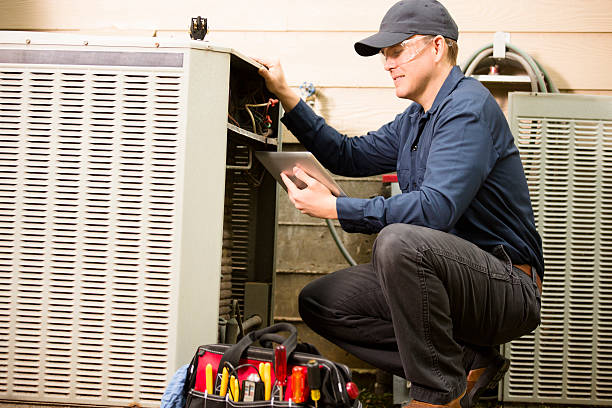
Air conditioner repairman works on home unit. Blue collar worker. Repairmen works on a home's air conditioner unit outdoors. He is checking the compressor inside the unit using a digital tablet. He wears a navy blue uniform and his safety glasses. Tools inside toolbox on ground. air conditioning repair stock pictures, royalty-free photos & images

Discussion of Findings and Recommendations

  1. Details about malfunctioning components (e.g., compressor issues, refrigerant leaks).
  2. Clarification of whether the issue stems from improper maintenance or equipment wear-and-tear.
  3. Immediate fixes for minor issues (e.g., replacing filters or tightening electrical connections).
  4. Recommendations for larger repairs or parts replacements if necessary.
  5. A transparent breakdown of labor costs and materials before they proceed with any work.
  6. Discussion of potential timeframes for completion based on complexity.

Having this information upfront helps ensure that you’re fully informed before agreeing to any repairs.

Performing Necessary Repairs

  • Replacing damaged parts (e.g., capacitors, motors).
  • Cleaning clogged coils or filters.
  • Fixing refrigerant leaks and recharging refrigerant levels if required.
  • Addressing electrical problems like faulty wiring or circuit breakers.

During this phase, technicians often use specialized tools to ensure precision and efficiency.

Testing System Performance Post-Repair

  • Proper airflow from vents.
  • Consistent thermostat readings.
  • Elimination of prior noises or irregularities in operation.

By ensuring everything is in working order before leaving your property, professionals provide peace of mind that your AC system has been restored effectively.

Final Tips and Maintenance Suggestions

  1. Regularly replacing air filters.
  2. Scheduling seasonal maintenance checks.
  3. They may also alert homeowners about potential future issues due to aging components or improper installation history.

Taking note of these suggestions can help minimize future breakdowns and extend your system’s lifespan.

Summary Table: Typical Steps During an AC Repair Visit

Step Activities Performed
Initial Assessment Inspection of components; troubleshooting
Discussion & Agreement Explanation of findings; cost estimates
Repairs Performed Replacing/repairing faulty parts
System Testing Checking operation post-repair
Maintenance Advice Tips for long-term care

By understanding what happens during an AC repair visit, homeowners can better collaborate with professionals while ensuring quality results tailored to their needs.

Tips for Ensuring a Smooth and Hassle-Free AC Repair Process

When your air conditioning system breaks down, getting it repaired efficiently and without unnecessary delays is critical to restoring comfort in your home. Proper preparation and communication can ensure a smooth and hassle-free AC repair process. Below are key tips to guide you.

1. Choose the Right HVAC Professional

The first step in ensuring a stress-free repair experience is hiring a qualified technician or HVAC company. Keep these factors in mind:
Certifications: Verify that the company employs licensed and certified technicians (e.g., NATE-certified professionals).
Experience: Look for companies with a proven track record of handling similar repairs.
Reviews and References: Read customer reviews online or ask friends and neighbors for recommendations.

2. Communicate Clearly with the Technician

Providing accurate details about the issue can help technicians diagnose problems quickly. When making your service call, consider the following:
– Describe any unusual noises, smells, or performance issues you’ve noticed.
– Mention when the problem started and whether it has worsened over time. – Inform them of any previous repairs or maintenance performed on the system.

This level of detail allows technicians to arrive better prepared with potential solutions.

3. Prepare Your Home for Service

Before the technician arrives, take steps to create an environment conducive to an efficient repair process:
Clear Access: Move furniture or obstructions near vents, ducts, or outdoor units. – Secure Pets: Ensure pets are safely confined to prevent distractions during the repair visit. – Temperature Adjustments: Turn off your AC system ahead of time if it’s still somewhat functional to avoid additional strain on faulty components when it’s restarted during diagnostics.

4. Ask Questions During and After Repairs

A professional technician should be willing to explain what went wrong and how they fixed it. Don’t hesitate to inquire about these key areas: – What caused the issue?
– Are there preventive measures you can take moving forward? – Is there any warranty coverage on parts or labor?

This will help you better care for your unit after repairs are completed.

5. Schedule Regular Maintenance

To minimize future breakdowns, talk with your technician about setting up regular maintenance appointments after repairs are completed. Maintenance tasks may include: | Task | Frequency | Benefits | |————————-|—————–|——————————————| | Filter replacement | Monthly/Quarterly | Improves airflow efficiency | | Coil cleaning | Annually | Prevents overheating | | Refrigerant checks | Annually | Ensures proper cooling performance |

Proactive care reduces wear-and-tear issues that could lead to emergency situations later on.

By following these tips, you’ll not only reduce stress during an AC repair but also increase the longevity of your HVAC system while maximizing its efficiency over time.

Steps to Restore Comfort in Your Home with Miami HVAC Services After an Emergency AC Repair

Experiencing an air conditioning emergency can be stressful, but once the repairs are complete, it’s crucial to focus on restoring comfort and ensuring your system operates efficiently. Below are actionable steps to take after an emergency AC repair to optimize performance and maintain a comfortable indoor environment.

1. Inspect the System for Proper Operation

After the technician completes the repair, verify that your air conditioner is functioning as expected. Here’s what you should check:
Airflow: Confirm that cool air is flowing evenly through all vents.
Thermostat Settings: Ensure the thermostat is set correctly and responding to adjustments.
Noise Levels: Listen for any unusual noises, such as rattling or buzzing, which could signal unresolved issues.

If you notice any irregularities, contact your HVAC professional promptly.

2. Clean or Replace Air Filters

Dirty or clogged filters can hinder airflow and reduce efficiency following a repair. Check your system’s air filters and replace them if they appear dirty or have not been changed recently. Experts recommend replacing filters every 1-3 months depending on usage.

Recommended Filter Maintenance Schedule

Usage Level Filter Replacement Frequency
Light (Seasonal Use) Every 3 months
Moderate (Regular Use) Every 2 months
Heavy (Constant Use or Pets) Monthly

3. Monitor Energy Usage

After an emergency repair, keep an eye on your energy bills for any unexpected increases. A spike in energy consumption may indicate lingering inefficiencies in the system that require additional attention from a professional.

4. Schedule Routine Maintenance Appointments

To prevent future emergencies, consider setting up regular maintenance services with a licensed HVAC technician. Routine checks can:
– Improve energy efficiency
– Extend your AC unit’s lifespan
– Identify potential problems before they escalate

Semiannual maintenance visits—once before summer and once before winter—are typically recommended.

5. Adjust Your Home Environment for Efficiency

Take steps to ensure your home supports optimal cooling post-repair:
Seal Gaps: Check windows and doors for drafts that may compromise cooling efficiency. – Use Ceiling Fans: Circulate cool air throughout rooms by operating ceiling fans counterclockwise during summer. – Close Blinds or Curtains: Minimize heat gain by blocking direct sunlight during peak hours.

6. Keep Records of Repairs

Maintaining a record of all repairs completed on your AC unit helps track its history and identify recurring issues over time. This documentation can also be valuable when filing warranty claims or when consulting technicians during future service calls.

Final Thoughts on Restoring Comfort

Taking these proactive steps following an emergency AC repair ensures not only improved system performance but also long-term reliability in maintaining a comfortable indoor environment throughout the year. By focusing on preventative care and smart home practices, you can minimize disruptions while maximizing the lifespan of your cooling system.

video thumbnail

Common Signs That Indicate Immediate Professional Assistance is Required for Your AC System

An air conditioning system is one of the most critical components for maintaining comfort in your home, especially during the peak of summer. However, there are times when it may malfunction, leaving you questioning whether to call a professional immediately or wait. To prevent further damage and ensure optimal performance, recognizing the signs that demand immediate professional attention is key.

1. Insufficient Cooling or Warm Air Blowing From Vents

If your AC system starts blowing warm air instead of cool, this could signal several issues that need to be addressed quickly: – Low refrigerant levels due to a leak. – A malfunctioning compressor. – Dirty or clogged condenser coils.

Neglecting this issue can worsen the condition of your unit and lead to more extensive repairs.

2. Unusual and Persistent Noises

Any unusual sounds from your AC system, such as grinding, squealing, banging, or hissing, may indicate: – Loose or damaged internal components. – Fan motor issues. – Refrigerant leaks (hissing sound).

These noises often suggest mechanical problems that require immediate attention from a certified HVAC technician to avoid permanent damage.

3. Electrical Issues: System Frequently Cycles On and Off

Short cycling—when your AC turns on and off frequently—can strain the system significantly. This can be caused by: – A faulty thermostat. – An oversized or undersized unit. – A failing compressor.

Short cycling not only reduces efficiency but also increases energy bills and risks complete failure if left unaddressed.

4. Foul Odors Coming From Your System

Strange smells emanating from your AC vents are another sign of trouble: – Musty odors often indicate mold growth in ductwork or the unit itself. – Burning smells may result from electrical wiring issues or overheating components.

A professional needs to investigate these smells promptly to address potential health hazards and prevent fire risks.

5. Water Leaks Around the Unit

While minor condensation is normal for an AC system, visible water pooling near the unit is not: | Potential Cause | Explanation | |—————————|———————————————–| | Clogged Drain Line | Prevents proper discharge of condensation water. | | Frozen Evaporator Coils | May thaw and cause excess water leakage. |

Ignoring water leaks can lead to structural damage in your home as well as mold growth.

6. High Energy Bills Without Increased Usage

A sudden spike in utility bills without any changes in usage patterns could mean that your system is operating inefficiently due to: – Dirty filters restricting airflow. – Worn-out components struggling to maintain performance. – Refrigerant issues reducing efficiency.

Professional diagnostic services are essential here to identify underlying problems before they escalate further.

When To Call a Professional Immediately

If you notice any of these signs with your air conditioning system: 1. Insufficient cooling despite proper settings. 2. Continuous strange noises during operation. 3. Electrical irregularities like frequent tripping breakers. 4. Unpleasant odors lasting beyond a brief startup period. 5. Visible water leaks near the unit’s base. 6. A noticeable jump in energy costs without clear justification.

Seek assistance from a licensed HVAC technician immediately instead of attempting DIY solutions that could void warranties or worsen existing issues.

By addressing these problems promptly with trained professionals, you safeguard both your comfort and investment while ensuring long-term reliability for your cooling system.

Common Signs That Indicate Immediate Professional Assistance is Required for Your AC System

1. Insufficient Cooling or Warm Air

When your air conditioner blows warm air or fails to cool your space effectively despite being set to a low temperature, it could be a sign of several underlying problems. These may include:
Refrigerant leaks: Low refrigerant levels often cause reduced cooling efficiency.
Compressor failure: The compressor plays a critical role in producing cool air, and its malfunction can lead to warm airflow.
Clogged filters or coils: Dirty filters or evaporator coils reduce airflow and cooling performance.

If you notice this issue persisting, it’s essential to contact an HVAC professional to diagnose and resolve the problem promptly.

2. Unusual Noises from the Unit

Air conditioners typically operate at a low noise level. However, strange sounds like grinding, screeching, banging, or hissing could indicate internal malfunctions such as:
– Broken parts (e.g., belts or fan blades).
– Refrigerant leaks causing hissing sounds. – A failing motor producing grinding noises.

Ignoring these sounds may result in costlier repairs over time. It’s advisable to power off the unit and schedule an inspection immediately.

3. Sudden Increase in Energy Bills

An unexplained spike in your electricity bill can often point to inefficiencies within your AC system. Possible causes include:
– Worn-out components forcing the system to work harder than normal.
– Leaking ductwork leading to energy loss. – Issues with the thermostat causing excessive cycling.

If energy consumption remains unusually high despite no changes in usage patterns, consult an expert technician for a thorough inspection.

4. Frequent Cycling On and Off

Short-cycling occurs when an air conditioner turns on and off frequently without completing its cooling cycle properly. This not only reduces efficiency but also accelerates wear and tear on components like compressors and fans. Causes of short-cycling include:
– An oversized or undersized AC unit for your space. – Dirty filters restricting airflow. – Faulty thermostats giving inaccurate temperature readings.

Addressing this issue quickly helps extend the lifespan of your unit while restoring comfort levels.

5. Water Leaks Around the Unit

Water pooling near an indoor or outdoor AC unit is another red flag that warrants immediate attention. Common issues responsible for leaks may involve: | Potential Problem | Description | |——————————–|———————————————————–| | Clogged Drain Lines | Blockages prevent condensation from draining properly. | | Frozen Evaporator Coils | Ice buildup melts and results in water overflow around the system.| | Damaged Drain Pan | Cracks allow water from condensation to leak out freely.|

DIY fixes might temporarily halt leaks but won’t resolve root causes—professional assistance is highly recommended.

6. Foul Odors Emanating from Vents

Bad smells coming from air vents can make indoor environments uncomfortable while signaling potential hazards such as mold growth within ductwork or electrical issues leading to burnt wires/components: – Musty smell: Indicates moisture-related problems resulting in mold/mildew buildup. – Burning smell: Signifies overheating motors/wires needing urgent inspection before fire risks arise.

Schedule maintenance immediately when unpleasant odors persist after cleaning vents/filters yourself.

Final Thoughts on Recognizing Emergency AC Repairs

Pay close attention when you encounter any of these common warning signs with your HVAC equipment; delaying service could result in more costly damage down-the-line while affecting overall home comfort/reliability systems long-term.