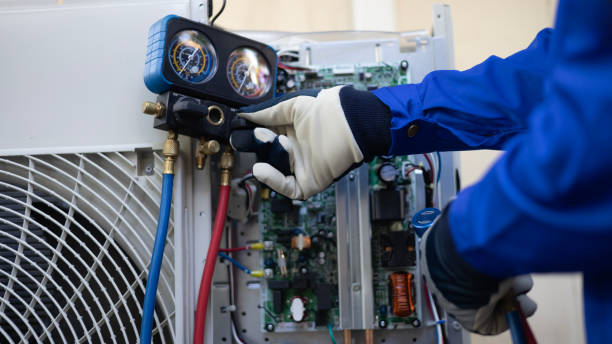
Emergencies involving your HVAC system can occur at the most inconvenient times, leaving you uncomfortable and stressed. Knowing how to respond quickly and effectively can prevent further damage, ensure safety, and potentially save money before a professional technician arrives. Below are common emergency scenarios and the critical steps you should take when they arise.
Common HVAC Emergencies
- The HVAC system stops functioning entirely, leaving no heating or cooling.
- Tripping circuit breakers or lack of power reaching the unit.
- Water pooling around the indoor unit or evidence of moisture damage.
- Unusual sounds like grinding, banging, or burning smells.
- Reduced cooling efficiency or hissing sounds near the refrigerant lines.
Essential Steps to Take
- Turn Off Your System if Necessary
If your air conditioner is making loud noises, emitting a burning odor, or leaking water excessively, switch off the system immediately to prevent further damage or hazards. - Check for Power Issues
Ensure that your circuit breaker has not tripped. Reset it if necessary but only once; repeated trips often indicate a larger issue requiring professional diagnosis. - Inspect Your Thermostat Settings
Verify that your thermostat is set correctly (e. g. , cooling mode during summer). An incorrectly programmed thermostat could mimic system failure. - Look for Obvious Blockages
Examine air vents and filters for blockages caused by dirt or debris as this can restrict airflow and cause overheating. - Contain Water Leaks Safely
Place towels or a container beneath any leaks from your indoor unit to prevent water damage to floors or walls until a technician can address the source of the problem. - Ensure Proper Ventilation During Gas Leaks
If you suspect a refrigerant leak based on hissing sounds or reduced cooling performance, open windows for ventilation and evacuate the area until it is safe to re-enter after an expert has inspected it.
Safety Tips During an HVAC Emergency
- Avoid attempting DIY repairs as this may void warranties or cause personal injury.
- Keep children and pets away from malfunctioning equipment.
- If you notice sparks, burning smells, or smoke emanating from your unit, exit your home immediately and call emergency services before contacting an HVAC professional.
- Document any visible issues (e. g. , leaks or damaged components). This information may assist technicians during their inspection process.
When to Call for Professional Assistance
While some minor issues can be handled through preventative maintenance (e. g.
| Problem Type | Signs That Professional Help Is Required |
| Electrical Malfunctions | Repeated tripping breakers; sparking wires |
| Refrigerant Leaks | Hissing noise; ice buildup on coils |
| Compressor Failure | Loud clanking noises; lack of airflow |
| System Overheating | Unit shuts down frequently due to overheating parts |
If you’re unsure whether an issue qualifies as an emergency, err on the side of caution by consulting with qualified professionals who can guide you through next steps over the phone—minimizing risks while waiting for their arrival.
Tips for Effective AC Repair Miami Homeowners Can Use to Fix Water Leaks in Units
Water leaks in air conditioning units are a common issue that homeowners face. Ignoring these leaks can lead to water damage, mold growth, and reduced efficiency of your unit. Proper understanding of the causes and solutions can help address this problem effectively.
- The condensate drain line carries excess moisture from your AC system to the outside. Over time, dirt, debris, or algae can clog the line, causing water to back up and leak from your unit.
- A dirty or clogged air filter restricts airflow over the evaporator coil. This can cause the coil to freeze, and when it melts, excess water may overflow from the drain pan.
- The drain pan is designed to collect condensation from the evaporator coil. If it becomes corroded or cracked due to age or wear, water can leak instead of draining properly.
- Insufficient refrigerant causes reduced pressure in your system, leading to freezing of the evaporator coil. As with dirty filters, this ice will melt and create excessive water.
- In some cases, an incorrectly installed AC unit may not have proper drainage angles or connections, leading to persistent leaks.
- During particularly humid weather conditions, your unit might struggle with managing excess moisture effectively, resulting in leaks.
Steps to Address Water Leaks
- Prevent further damage by switching off your system immediately upon identifying a leak.
- Remove any dirt or debris clogging the filter and replace it if necessary.
- Use a wet/dry vacuum to remove clogs in the drain line.
- Alternatively, pour a mixture of vinegar and warm water into the line for maintenance purposes.
- Inspect both the drain pan and coils for cracks or rust.
- Low refrigerant levels often require professional attention as they indicate larger system issues like leaks within refrigerant lines.
- Verify that your AC is installed at an angle that allows for proper drainage if applicable.
Preventing Future Water Leaks
- Schedule regular maintenance checks by HVAC professionals every 6-12 months.
- Clean or replace air filters every 1-3 months based on usage.
- Periodically inspect drain pans and condensate lines for signs of wear or buildup.
- Invest in a dehumidifier if you live in areas with high humidity levels that strain AC systems.
By addressing small problems early on through routine care and inspections, you can extend both performance longevity while avoiding costly repairs due-to neglect-induced failures
Identifying Water Leak Issues in AC Units with an HVAC Company Miami, FL
Water leaks in air conditioning units are a common yet often overlooked issue that can lead to costly damage if not addressed promptly.
- The condensate drain line is responsible for removing excess moisture produced during the cooling process.
- Low refrigerant levels or poor airflow can cause evaporator coils to freeze. When they begin to thaw, excessive water can overflow from the drip pan.
- The drain pan collects condensation from your system. If it becomes cracked or rusted, water will leak instead of being properly drained.
- An incorrectly installed unit may result in misaligned components or poor drainage.
- Lack of routine maintenance can exacerbate minor issues over time, increasing the likelihood of a water leak.
- Insufficient refrigerant leads to lower pressure within the system and may cause evaporation coil freezing, eventually leading to leaks as ice melts.
Step-by-Step Solutions for Water Leaks
- Use a wet/dry vacuum to suction out any blockages.
- Alternatively, flush the line with a mix of vinegar and warm water to remove buildup.
- Turn off your AC system immediately if you notice ice on the coils.
- Allow time for thawing before inspecting underlying causes like restricted airflow or low refrigerant levels.
- Inspect the drain pan for cracks or rust.
- If damaged beyond repair, replace it with a new one designed specifically for your unit’s model.
- Confirm that your AC system is level to ensure proper water drainage.
- Contact an HVAC technician if adjustments are needed post-installation.
- Routine servicing ensures components like filters, coils, and drains remain clean and functional.
Preventative Measures
- Regular Filter Replacement:Dirty filters restrict airflow and increase condensation around evaporator coils.
- Annual Professional Inspection:Have an HVAC technician perform yearly tune-ups to detect early signs of wear or malfunction.
- Install a Safety Switch:A float switch on your condensate drain will automatically shut down the unit when excess water is detected.
| Cause | Solution | Preventative Action |
| Clogged drain line | Clear blockage using vacuum/vinegar | Clean regularly |
| Frozen evaporator coil | Thaw coil; check airflow/refrigerant | Replace filters; ensure airflow |
| Damaged drain pan | Repair/replace damaged pan | Inspect during maintenance |
Addressing an AC unit’s water leak promptly not only protects your property but also ensures optimal functionality of your cooling system long-term. By understanding these common causes and solutions, you can minimize disruptions while maintaining comfort in your home or business environment effectively.
Common Signs You May Need an AC Replacement Miami Homeowners Should Know
A malfunctioning air conditioning (AC) system can make your home uncomfortable, especially during extreme weather. If your AC system is not cooling or heating efficiently, understanding the root cause is important before taking corrective action. Below are some of the most common reasons why your AC may be underperforming, along with solutions.
One of the most frequent issues affecting AC performance is a clogged or dirty air filter. A blocked filter restricts airflow, reducing the system’s overall efficiency.
Signs: – Weak airflow from vents
– Dust accumulation around your home
Steps to Fix:– Check and replace air filters every 1–3 months during heavy use. – Opt for high-quality filters that balance filtration effectiveness with proper airflow.
Refrigerant is essential for cooling and heating in an AC system. If levels are low, it may indicate a leak or improper charging during installation.
Signs: – Poor cooling performance – Hissing or bubbling noises near refrigerant lines
Solutions:– Contact an HVAC professional to locate and repair leaks. – Ensure proper refrigerant recharging by trained technicians.
A faulty thermostat can miscommunicate with your AC unit, causing it to fail at maintaining desired temperatures.
Symptoms:– The system shuts off prematurely. – Room temperatures don’t match thermostat settings.
What You Can Do:– Check thermostat settings (e. g. , ensure it’s set to “cool” or “heat” mode).
– Replace batteries in battery-powered thermostats. – Upgrade to a smart thermostat for improved accuracy and energy efficiency.
Outdoor condenser units can become obstructed by debris like leaves, dirt, or weeds, which hinders heat exchange.
Inspection Checklist: | Potential Obstructions | Action Steps | |——————————–|———————————-| | Leaves | Remove using gloves or blower | | Dirt | Gently clean with a soft brush | | Overgrown vegetation | Trim plants away from the unit |
Properly clearing the area around your condenser ensures optimal airflow for heat dissipation.
Air ducts distribute conditioned air throughout your home. Damaged ducts can result in energy loss and uneven cooling or heating.
Indicators of Duct Problems: – Uneven temperature in different rooms – Whistling sounds within walls
Solutions:Inspect visible ductwork for tears or gaps. 2. Seal any leaks using metal tape or mastic sealant. 3. Schedule an inspection with an HVAC specialist for concealed ductwork issues.
Neglecting regular maintenance is another major factor contributing to poor AC performance over time.
Recommended Actions:– Schedule annual professional tune-ups for cleaning essential components like coils and fans. – Keep an eye on performance metrics such as airflow strength and noise levels between services.
By systematically addressing these potential causes, homeowners can restore their AC systems’ performance while ensuring long-term reliability and comfort indoors.
Identifying and Addressing Strange Noises or Odors Coming from Your Air Conditioner
Strange noises or unpleasant odors emanating from your air conditioner can be early signs of underlying problems that need to be addressed before they escalate into costly repairs. Understanding the potential causes of these issues is essential for proper maintenance and ensuring the efficiency of your HVAC system. Here are common noises and odors you may encounter, along with steps to identify and address them.
Common Air Conditioner Noises and Their Causes
- Possible Cause: Loose or broken components inside the unit, such as a fan blade or motor.
- What to Do: Turn off the unit immediately to prevent further damage. Check for visible loose parts if safely accessible. Call a professional HVAC technician for repair.
- Possible Cause: Electrical issues like faulty wiring, loose connections, or failing capacitors.
- What to Do: Avoid running the system to prevent electrical hazards. Contact a licensed electrician or HVAC specialist to inspect the issue.
- Possible Cause: Refrigerant leaks in the system or a leaky ductwork connection.
- What to Do: Since refrigerant leaks can be hazardous, it’s crucial not to attempt DIY repairs. A certified technician can locate and repair the leak safely.
- Possible Cause: Debris caught in the outdoor condenser unit or loose screws in panels.
- What to Do: Switch off the system and inspect for debris around the condenser unit. Remove any visible obstructions carefully.
- Possible Cause: Issues with belts or fan motors needing lubrication.
- What to Do: Schedule a maintenance visit with an HVAC professional for lubrication needs or component replacement.
Unusual AC Odors and Their Meaning
- Indicates potential electrical overheating due to worn-out parts, wiring issues, or motor problems.
- Suggests mold growth within ducts, filters, or evaporator coils often caused by excess moisture buildup.
- Could signal a natural gas leak if your system uses gas-powered heating elements.
- Often points toward refrigerant leaks that can compromise cooling efficiency.
Steps to Address Strange Odors
- Replace air filters regularly (every 1-3 months depending on usage) as clogged filters contribute significantly to odors.
- Clean condenser coils annually using coil cleaning solutions designed specifically for HVAC systems.
- Inspect drain pans for stagnant water caused by clogged drain lines.
- Shut off all gas supplies immediately.
- Evacuate occupants from your home promptly.
- Contact both your utility provider and an experienced technician.
| Type of Issue | Potential Causes | Recommended Action |
| Burning Smell | Overheating wires/motors | Turn off power; call an electrician |
| Moldy/Musty Odor | Moisture/mold growth | Clean ducts/coils; inspect drain lines |
| Chemical Smell | Refrigerant leak | Consult certified technician |
| Banging/Clanking Noise | Loose internal components | Power down; schedule service |
Regular maintenance is key in preventing strange noises or odors from developing over time in your air conditioning system by ensuring all components function optimally year-round while extending its overall lifespan through early problem detection practices effectively
Warning Signs of Gas Leaks in Miami HVAC Systems and Immediate Steps to Take
Gas leaks in air conditioning systems can pose serious risks to both your health and the environment. Refrigerants, commonly used gases in AC systems, are crucial for cooling but can be hazardous when leaked. Addressing potential leaks promptly is critical to ensure safety and maintain system efficiency.
Common Warning Signs of Gas Leaks
Identifying gas leaks early can save you from costly repairs and potential health hazards.
- If you notice hissing sounds near the AC unit, it may indicate a refrigerant leak. Bubbling noises often accompany this if the refrigerant escapes as a liquid.
- A gas leak leads to insufficient refrigerant levels, which reduces the cooling or heating efficiency of your system. Rooms may feel warmer despite the AC running continuously.
- While refrigerants are generally odorless, certain types might emit a faint chemical smell if leaking. Any unusual or persistent odors warrant an inspection.
- Insufficient refrigerant due to a leak can cause evaporator coils to freeze over, leading to reduced performance and possible damage.
- A leaking AC system works harder than usual to maintain desired temperatures, consuming more energy and increasing utility bills.
Steps to Take Immediately if You Suspect a Gas Leak
- Shut down your AC unit immediately to prevent further leakage and avoid strain on the system components.
- Open windows and doors in your home to allow fresh air circulation. This step minimizes exposure to any escaped gases indoors.
- Refrigerants are generally non-flammable; however, certain conditions could pose risks with electrical sparks or activities near the leakage site.
- Look for grease marks or oily residue around connection points, which could indicate refrigerant loss at those areas.
- Never attempt DIY repairs for suspected gas leaks as handling refrigerants requires specialized tools and certifications.
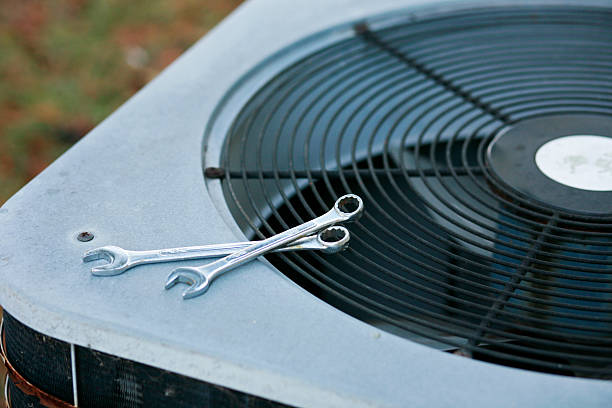
Why Prompt Action Is Essential
| Risk Type | Description | Example Impact |
| Health Risks | Prolonged exposure may cause dizziness, headaches, or respiratory issues depending on the type of gas used. | Personal health issues |
| Environmental Damage | Leaked refrigerants like R-22 (Freon) contribute significantly to ozone depletion if left unchecked. | Global warming impact |
| System Degradation | Operating with reduced refrigerant can damage key components such as compressors. | Expensive replacements |
Preventive Measures Against Gas Leaks
- Schedule regular maintenance checks with certified HVAC professionals.
- Monitor refrigerant levels during maintenance visits.
- Ensure proper installation of HVAC systems by licensed technicians.
- Replace aging units that rely on outdated refrigerants like R-22 with newer models using eco-friendly alternatives such as R-410A.
By staying vigilant about these warning signs and taking immediate action when necessary, you can protect both your home’s comfort and your family’s safety while extending the lifespan of your AC system efficiently.
When Is It Time for an Air Conditioning Replacement?
Replacing an air conditioning system can be a significant investment, so it’s important to know when it’s time to make the switch. Over time, AC units become less efficient and more prone to breakdowns. Here are the key factors to consider when determining if it’s time for a replacement.
Air conditioning systems typically last between 10-15 years, depending on their quality and how well they are maintained. If your unit is nearing or has surpassed this age range, it may be less energy-efficient and require frequent repairs.
- Signs of aging systems:
- Rising energy bills without increased usage.
- Difficulty maintaining consistent temperatures.
- Frequent breakdowns.
If you find yourself frequently calling for repairs, especially for major components like compressors or evaporator coils, it might be more cost-effective to replace the system rather than continue investing in an outdated unit.
| Repair Cost as % of Replacement | Recommended Action |
| Less than 30% | Opt for repair |
| 30%-50% | Consider replacement soon |
| Above 50% | Replace immediately |
Older AC units often have lower energy efficiency ratings compared to modern systems. Upgrading to a new unit with a higher Seasonal Energy Efficiency Ratio (SEER) can lead to significant savings on energy bills over time.
- Look for units with:
- A SEER rating of 16 or above.
- ENERGY STAR certification.
Modern systems are designed with advanced features that optimize performance while reducing power consumption.
If certain rooms remain warmer or cooler than others despite proper maintenance, it could indicate that your AC is struggling due to age or capacity issues. This is often a sign that the system can no longer handle your household’s cooling demands efficiently.
Reasons for inconsistent cooling may include: – An undersized or oversized unit. – Ductwork leaks. – Wear and tear on essential components.
If your current unit uses R-22 refrigerant (Freon), which has been phased out due to environmental concerns, it’s worth considering a replacement. Modern units use R-410A refrigerant, which is more environmentally friendly and widely available.
- Benefits of upgrading:
- Reduced environmental impact.
- Avoid increasing costs associated with dwindling R-22 supplies.
Short cycling occurs when an air conditioner turns on and off repeatedly without completing its cooling cycle. This issue can indicate inefficiency or mechanical problems that may necessitate replacement if repairs don’t resolve the problem.
Common causes of short cycling:
- Oversized AC units.
- Malfunctioning thermostats.
- Failing electrical components such as capacitors or relays.
Final Thoughts
Understanding these key factors can help you decide whether repairing or replacing your air conditioning system is the best choice for your needs and budget. Regular maintenance and timely decisions regarding replacements can ensure optimal performance while saving costs in the long term.
- Key Signs Your Miami HVAC System Needs Immediate Repair
- Identifying Common Miami HVAC System Breakdown Indicators
- Essential Steps to Handle Emergency Air Conditioning Repair Miami Situations Before Help Arrives
- What to Expect and How to Prepare for Sudden Air Conditioning Repair Miami Services
- Understanding the Importance of Miami HVAC Services to Avoid Costly Repairs
- What to Expect When You Call for Professional Miami HVAC Services
