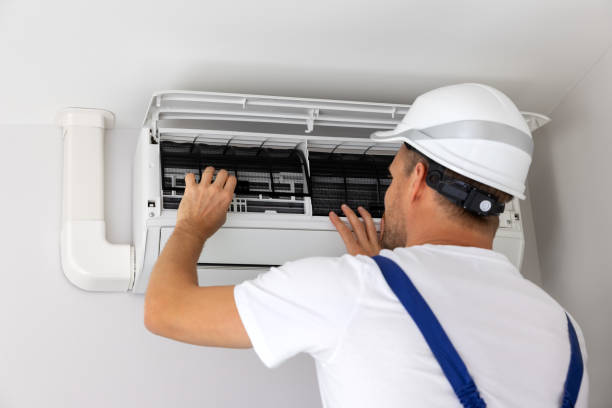
When your air conditioning system breaks down unexpectedly, it can create significant discomfort, especially during extreme temperatures. Emergency AC repairs become essential in such situations. Understanding what to expect and how to prepare can save time, reduce stress, and ensure a smoother repair process.
Understanding the Nature of an AC Emergency
- Complete System Failure: If your AC stops working entirely during peak summer or winter months.
- Refrigerant Leaks: Leaks can compromise cooling performance and pose environmental or health hazards.
- Electrical Issues: Signs of burning smells, tripped breakers, or sparking components indicate serious concerns.
- Frozen Coils: Ice build-up on evaporator coils hinders the system’s efficiency and can lead to further damage if ignored.
- Unusual Noises or Vibrations: Grinding, screeching, or banging noises could signify motor failure or loose components.
Preparing for an Emergency Repair
- Turn Off Your System
If your system shows signs of malfunction (e.g., unusual noises or leaks), shut it down immediately. This prevents further damage. - Document the Issue
Make notes about any unusual symptoms — strange sounds, odors, changes in performance — and when they started. Providing a clear description will assist your technician in diagnosing the issue. - Verify that your thermostat is set correctly.
- Ensure circuit breakers haven’t tripped.
- Inspect filters for clogs that might restrict airflow.
- Clear Access to Your Unit
Technicians need easy access to the indoor and outdoor units. Clear away furniture, debris, or objects surrounding these areas. - Have Necessary Information Ready
Be prepared to share details about: - The system’s make and model
- Any warranties
- Maintenance records (if applicable)
What Happens During Emergency AC Repairs?
| Step | Description |
| Initial Inspection | The technician will inspect the unit for visible damage or faults using tools like gauges and diagnostic equipment. |
| Problem Diagnosis | Based on their assessment, they identify root causes behind symptoms reported. |
| Quick Fixes (If Possible) | Temporary solutions may be applied if parts aren’t readily available. |
| Cost Estimate | You’ll receive a breakdown of service costs before major repairs begin. |
| Repairs & Testing | Once approved by you ,they perform needed actions then test operational functionality afterward. |
Benefits Of Staying Prepared
Proper prep makes diagnosis quicker while lowering risks prolongational damages escalating costs ;
When to Act on an AC Repair Emergency in Miami
An air conditioning (AC) emergency can be stressful, especially during extreme weather conditions. Understanding what constitutes an AC repair emergency and knowing when to act can save time, prevent further damage, and ensure the comfort of your home. Not every issue with your AC system is an immediate emergency, but certain situations warrant prompt professional attention.
What Qualifies as an AC Repair Emergency?
- Total System Failure
If your AC stops working entirely during peak summer or winter months, it qualifies as an emergency due to health risks associated with extreme heat or cold. - Refrigerant Leaks
A refrigerant leak doesn’t just affect cooling performance; it can also pose health hazards and environmental concerns. This issue requires urgent repair to restore functionality and ensure safety. - Electrical Issues
Burning smells or frequent tripping of circuit breakers indicate electrical problems within your AC system. These issues pose a fire risk and demand immediate intervention by a trained technician. - Frozen Evaporator Coils
Ice buildup on evaporator coils restricts airflow and may cause long-term damage if left untreated, making it a pressing concern. - Uncontrolled Water Leaks
Water pooling around your unit or dripping from vents could lead to structural damage or mold growth if not addressed quickly. - Unusual Noises or Vibrations
Grinding, banging, or screeching noises often signal serious mechanical issues that need attention before they escalate.
When Should You Act?
- Safety Concerns: If there is a risk of fire, toxic gas leaks (like refrigerant), or water damage, call for professional help immediately.
- Rapid Decline in Comfort Levels: When the temperature indoors becomes unbearable due to a malfunctioning system.
- Recurring Problems: Issues that persist despite minor troubleshooting attempts usually signal deeper failures requiring expert diagnosis.
DIY Troubleshooting Before Seeking Professional Help
- Check the thermostat settings to ensure accuracy.
- Replace air filters if they are dirty or clogged.
- Reset the circuit breaker if it has tripped.
- Inspect vents for blockages that might restrict airflow.
- Confirm all windows and doors are closed properly to maintain indoor temperature control.
If these steps do not resolve the issue or you suspect significant damage, refrain from attempting further repairs yourself.
Benefits of Acting Quickly in Emergencies
| Benefit | Explanation |
| Prevent Costly Repairs | Addressing issues promptly minimizes potential damage and reduces costs. |
| Ensure Safety | Immediate repairs protect against hazards like electrical fires or leaks. |
| Maintain Comfort | Restoring functionality ensures consistent indoor temperatures year-round. |
By understanding what qualifies as an AC repair emergency and knowing when it’s time to seek professional assistance, you can help safeguard both your home’s comfort and its systems’ longevity while avoiding unnecessary complications in the future.
How to Choose the Best HVAC Company Miami, FL for AC Repair During Unexpected Breakdowns
When your air conditioning system breaks down unexpectedly, it can disrupt your home’s comfort and leave you scrambling to restore cooling. Being prepared for a service call during such emergencies can help minimize stress and ensure that the repair process is smooth. Below are steps to help you prepare effectively.
1. Assess the Situation Before Calling
Before contacting a professional, take a moment to assess the situation to determine the urgency of the problem.
- Check for common issues: Ensure the thermostat is set correctly, confirm that the power supply hasn’t been interrupted, and verify that air filters are clean.
- Inspect for visible damage: Look for unusual noises, leaks, or strange smells coming from your unit.
- Shutdown if needed: If there’s a significant issue (e.g., refrigerant leaks or electrical problems), turn off the AC system immediately to prevent further damage.
Document what you observe so you can clearly report it to the technician.
2. Gather Necessary Information
- AC system details: Write down the make, model number, and approximate age of your unit.
- Service history: Provide information about past repairs or maintenance work. This can help identify recurring issues.
- Symptoms of breakdown: Note when symptoms began and any specific conditions under which they occur.
This information can significantly reduce diagnosis time during their visit.
3. Clear Access to Your System
- Remove furniture or obstacles near indoor AC units.
- Clear debris or plants around outdoor condensers.
- Secure pets in another room during appointments.
- Ensure there’s adequate lighting in work areas.
A clutter-free environment allows professionals to focus solely on diagnosing and repairing the system efficiently.
4. Understand Emergency Service Costs
| Fee Type | Description |
| Diagnostic Fee | The cost associated with identifying the issue |
| Emergency Surcharge | Additional charge for after-hours or weekend visits |
| Repair Costs | Includes parts replacement and labor charges |
Ask about pricing upfront when scheduling your service call so you’re aware of potential expenses.
5. Communicate with Your Technician Effectively
- Clearly describe all symptoms of failure.
- Ask questions about next steps if anything is unclear.
- Provide access codes (if applicable) for gated homes or communities ahead of time.
Good communication helps technicians arrive equipped with necessary tools and parts while minimizing delays.
Preparing proactively allows for faster resolution during unexpected AC breakdowns while ensuring both efficiency and comfort restoration in your home following repairs.
What to Expect During a Professional AC Replacement Miami Service Visit
When your air conditioning system breaks down, enlisting the help of a professional AC repair technician is essential for restoring comfort to your home. Understanding what happens during a service visit can help you feel more prepared and confident in the process. Below, we outline what you can expect during a professional AC repair session.
Initial Assessment and Inspection
- Listening to Your Concerns: The technician will ask about the specific issues you’ve noticed, such as unusual noises, weak airflow, or inconsistent cooling.
- Visual Inspection: They will examine key components of the system, including the indoor unit, outdoor condenser, ductwork (if applicable), filters, and thermostat.
- System Testing: The system may be turned on to evaluate its performance and identify any unusual signs such as strange sounds or irregular cycling.
This diagnostic phase allows the technician to pinpoint the cause of the problem and determine whether additional tools or replacement parts will be needed.
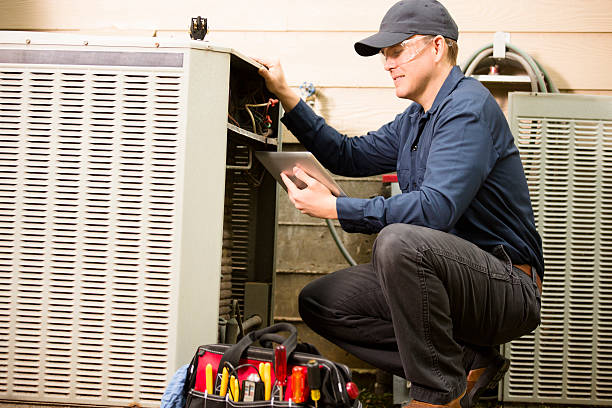
Discussion of Findings and Recommendations
- Details about malfunctioning components (e.g., compressor issues, refrigerant leaks).
- Clarification of whether the issue stems from improper maintenance or equipment wear-and-tear.
- Immediate fixes for minor issues (e.g., replacing filters or tightening electrical connections).
- Recommendations for larger repairs or parts replacements if necessary.
- A transparent breakdown of labor costs and materials before they proceed with any work.
- Discussion of potential timeframes for completion based on complexity.
Having this information upfront helps ensure that you’re fully informed before agreeing to any repairs.
Performing Necessary Repairs
- Replacing damaged parts (e.g., capacitors, motors).
- Cleaning clogged coils or filters.
- Fixing refrigerant leaks and recharging refrigerant levels if required.
- Addressing electrical problems like faulty wiring or circuit breakers.
During this phase, technicians often use specialized tools to ensure precision and efficiency.
Testing System Performance Post-Repair
- Proper airflow from vents.
- Consistent thermostat readings.
- Elimination of prior noises or irregularities in operation.
By ensuring everything is in working order before leaving your property, professionals provide peace of mind that your AC system has been restored effectively.
Final Tips and Maintenance Suggestions
- Regularly replacing air filters.
- Scheduling seasonal maintenance checks.
- They may also alert homeowners about potential future issues due to aging components or improper installation history.
Taking note of these suggestions can help minimize future breakdowns and extend your system’s lifespan.
Summary Table: Typical Steps During an AC Repair Visit
| Step | Activities Performed |
| Initial Assessment | Inspection of components; troubleshooting |
| Discussion & Agreement | Explanation of findings; cost estimates |
| Repairs Performed | Replacing/repairing faulty parts |
| System Testing | Checking operation post-repair |
| Maintenance Advice | Tips for long-term care |
By understanding what happens during an AC repair visit, homeowners can better collaborate with professionals while ensuring quality results tailored to their needs.
Tips for Ensuring a Smooth and Hassle-Free AC Repair Process
When your air conditioning system breaks down, getting it repaired efficiently and without unnecessary delays is critical to restoring comfort in your home. Proper preparation and communication can ensure a smooth and hassle-free AC repair process. Below are key tips to guide you.
1. Choose the Right HVAC Professional
The first step in ensuring a stress-free repair experience is hiring a qualified technician or HVAC company. Keep these factors in mind:
– Certifications: Verify that the company employs licensed and certified technicians (e.g., NATE-certified professionals).
– Experience: Look for companies with a proven track record of handling similar repairs.
– Reviews and References: Read customer reviews online or ask friends and neighbors for recommendations.
2. Communicate Clearly with the Technician
Providing accurate details about the issue can help technicians diagnose problems quickly. When making your service call, consider the following:
– Describe any unusual noises, smells, or performance issues you’ve noticed.
– Mention when the problem started and whether it has worsened over time. – Inform them of any previous repairs or maintenance performed on the system.
This level of detail allows technicians to arrive better prepared with potential solutions.
3. Prepare Your Home for Service
Before the technician arrives, take steps to create an environment conducive to an efficient repair process:
– Clear Access: Move furniture or obstructions near vents, ducts, or outdoor units. – Secure Pets: Ensure pets are safely confined to prevent distractions during the repair visit. – Temperature Adjustments: Turn off your AC system ahead of time if it’s still somewhat functional to avoid additional strain on faulty components when it’s restarted during diagnostics.
4. Ask Questions During and After Repairs
A professional technician should be willing to explain what went wrong and how they fixed it. Don’t hesitate to inquire about these key areas: – What caused the issue?
– Are there preventive measures you can take moving forward? – Is there any warranty coverage on parts or labor?
This will help you better care for your unit after repairs are completed.
5. Schedule Regular Maintenance
To minimize future breakdowns, talk with your technician about setting up regular maintenance appointments after repairs are completed. Maintenance tasks may include: | Task | Frequency | Benefits | |————————-|—————–|——————————————| | Filter replacement | Monthly/Quarterly | Improves airflow efficiency | | Coil cleaning | Annually | Prevents overheating | | Refrigerant checks | Annually | Ensures proper cooling performance |
Proactive care reduces wear-and-tear issues that could lead to emergency situations later on.
By following these tips, you’ll not only reduce stress during an AC repair but also increase the longevity of your HVAC system while maximizing its efficiency over time.
Steps to Restore Comfort in Your Home with Miami HVAC Services After an Emergency AC Repair
Experiencing an air conditioning emergency can be stressful, but once the repairs are complete, it’s crucial to focus on restoring comfort and ensuring your system operates efficiently. Below are actionable steps to take after an emergency AC repair to optimize performance and maintain a comfortable indoor environment.
1. Inspect the System for Proper Operation
After the technician completes the repair, verify that your air conditioner is functioning as expected. Here’s what you should check:
– Airflow: Confirm that cool air is flowing evenly through all vents.
– Thermostat Settings: Ensure the thermostat is set correctly and responding to adjustments.
– Noise Levels: Listen for any unusual noises, such as rattling or buzzing, which could signal unresolved issues.
If you notice any irregularities, contact your HVAC professional promptly.
2. Clean or Replace Air Filters
Dirty or clogged filters can hinder airflow and reduce efficiency following a repair. Check your system’s air filters and replace them if they appear dirty or have not been changed recently. Experts recommend replacing filters every 1-3 months depending on usage.
Recommended Filter Maintenance Schedule
| Usage Level | Filter Replacement Frequency |
| Light (Seasonal Use) | Every 3 months |
| Moderate (Regular Use) | Every 2 months |
| Heavy (Constant Use or Pets) | Monthly |
3. Monitor Energy Usage
After an emergency repair, keep an eye on your energy bills for any unexpected increases. A spike in energy consumption may indicate lingering inefficiencies in the system that require additional attention from a professional.
4. Schedule Routine Maintenance Appointments
To prevent future emergencies, consider setting up regular maintenance services with a licensed HVAC technician. Routine checks can:
– Improve energy efficiency
– Extend your AC unit’s lifespan
– Identify potential problems before they escalate
Semiannual maintenance visits—once before summer and once before winter—are typically recommended.
5. Adjust Your Home Environment for Efficiency
Take steps to ensure your home supports optimal cooling post-repair:
– Seal Gaps: Check windows and doors for drafts that may compromise cooling efficiency. – Use Ceiling Fans: Circulate cool air throughout rooms by operating ceiling fans counterclockwise during summer. – Close Blinds or Curtains: Minimize heat gain by blocking direct sunlight during peak hours.
6. Keep Records of Repairs
Maintaining a record of all repairs completed on your AC unit helps track its history and identify recurring issues over time. This documentation can also be valuable when filing warranty claims or when consulting technicians during future service calls.
Final Thoughts on Restoring Comfort
Taking these proactive steps following an emergency AC repair ensures not only improved system performance but also long-term reliability in maintaining a comfortable indoor environment throughout the year. By focusing on preventative care and smart home practices, you can minimize disruptions while maximizing the lifespan of your cooling system.

Common Signs That Indicate Immediate Professional Assistance is Required for Your AC System
An air conditioning system is one of the most critical components for maintaining comfort in your home, especially during the peak of summer. However, there are times when it may malfunction, leaving you questioning whether to call a professional immediately or wait. To prevent further damage and ensure optimal performance, recognizing the signs that demand immediate professional attention is key.
1. Insufficient Cooling or Warm Air Blowing From Vents
If your AC system starts blowing warm air instead of cool, this could signal several issues that need to be addressed quickly: – Low refrigerant levels due to a leak. – A malfunctioning compressor. – Dirty or clogged condenser coils.
Neglecting this issue can worsen the condition of your unit and lead to more extensive repairs.
2. Unusual and Persistent Noises
Any unusual sounds from your AC system, such as grinding, squealing, banging, or hissing, may indicate: – Loose or damaged internal components. – Fan motor issues. – Refrigerant leaks (hissing sound).
These noises often suggest mechanical problems that require immediate attention from a certified HVAC technician to avoid permanent damage.
3. Electrical Issues: System Frequently Cycles On and Off
Short cycling—when your AC turns on and off frequently—can strain the system significantly. This can be caused by: – A faulty thermostat. – An oversized or undersized unit. – A failing compressor.
Short cycling not only reduces efficiency but also increases energy bills and risks complete failure if left unaddressed.
4. Foul Odors Coming From Your System
Strange smells emanating from your AC vents are another sign of trouble: – Musty odors often indicate mold growth in ductwork or the unit itself. – Burning smells may result from electrical wiring issues or overheating components.
A professional needs to investigate these smells promptly to address potential health hazards and prevent fire risks.
5. Water Leaks Around the Unit
While minor condensation is normal for an AC system, visible water pooling near the unit is not: | Potential Cause | Explanation | |—————————|———————————————–| | Clogged Drain Line | Prevents proper discharge of condensation water. | | Frozen Evaporator Coils | May thaw and cause excess water leakage. |
Ignoring water leaks can lead to structural damage in your home as well as mold growth.
6. High Energy Bills Without Increased Usage
A sudden spike in utility bills without any changes in usage patterns could mean that your system is operating inefficiently due to: – Dirty filters restricting airflow. – Worn-out components struggling to maintain performance. – Refrigerant issues reducing efficiency.
Professional diagnostic services are essential here to identify underlying problems before they escalate further.
When To Call a Professional Immediately
If you notice any of these signs with your air conditioning system: 1. Insufficient cooling despite proper settings. 2. Continuous strange noises during operation. 3. Electrical irregularities like frequent tripping breakers. 4. Unpleasant odors lasting beyond a brief startup period. 5. Visible water leaks near the unit’s base. 6. A noticeable jump in energy costs without clear justification.
Seek assistance from a licensed HVAC technician immediately instead of attempting DIY solutions that could void warranties or worsen existing issues.
By addressing these problems promptly with trained professionals, you safeguard both your comfort and investment while ensuring long-term reliability for your cooling system.
Common Signs That Indicate Immediate Professional Assistance is Required for Your AC System
1. Insufficient Cooling or Warm Air
When your air conditioner blows warm air or fails to cool your space effectively despite being set to a low temperature, it could be a sign of several underlying problems. These may include:
– Refrigerant leaks: Low refrigerant levels often cause reduced cooling efficiency.
– Compressor failure: The compressor plays a critical role in producing cool air, and its malfunction can lead to warm airflow.
– Clogged filters or coils: Dirty filters or evaporator coils reduce airflow and cooling performance.
If you notice this issue persisting, it’s essential to contact an HVAC professional to diagnose and resolve the problem promptly.
2. Unusual Noises from the Unit
Air conditioners typically operate at a low noise level. However, strange sounds like grinding, screeching, banging, or hissing could indicate internal malfunctions such as:
– Broken parts (e.g., belts or fan blades).
– Refrigerant leaks causing hissing sounds. – A failing motor producing grinding noises.
Ignoring these sounds may result in costlier repairs over time. It’s advisable to power off the unit and schedule an inspection immediately.
3. Sudden Increase in Energy Bills
An unexplained spike in your electricity bill can often point to inefficiencies within your AC system. Possible causes include:
– Worn-out components forcing the system to work harder than normal.
– Leaking ductwork leading to energy loss. – Issues with the thermostat causing excessive cycling.
If energy consumption remains unusually high despite no changes in usage patterns, consult an expert technician for a thorough inspection.
4. Frequent Cycling On and Off
Short-cycling occurs when an air conditioner turns on and off frequently without completing its cooling cycle properly. This not only reduces efficiency but also accelerates wear and tear on components like compressors and fans. Causes of short-cycling include:
– An oversized or undersized AC unit for your space. – Dirty filters restricting airflow. – Faulty thermostats giving inaccurate temperature readings.
Addressing this issue quickly helps extend the lifespan of your unit while restoring comfort levels.
5. Water Leaks Around the Unit
Water pooling near an indoor or outdoor AC unit is another red flag that warrants immediate attention. Common issues responsible for leaks may involve: | Potential Problem | Description | |——————————–|———————————————————–| | Clogged Drain Lines | Blockages prevent condensation from draining properly. | | Frozen Evaporator Coils | Ice buildup melts and results in water overflow around the system.| | Damaged Drain Pan | Cracks allow water from condensation to leak out freely.|
DIY fixes might temporarily halt leaks but won’t resolve root causes—professional assistance is highly recommended.
6. Foul Odors Emanating from Vents
Bad smells coming from air vents can make indoor environments uncomfortable while signaling potential hazards such as mold growth within ductwork or electrical issues leading to burnt wires/components: – Musty smell: Indicates moisture-related problems resulting in mold/mildew buildup. – Burning smell: Signifies overheating motors/wires needing urgent inspection before fire risks arise.
Schedule maintenance immediately when unpleasant odors persist after cleaning vents/filters yourself.
Final Thoughts on Recognizing Emergency AC Repairs
Pay close attention when you encounter any of these common warning signs with your HVAC equipment; delaying service could result in more costly damage down-the-line while affecting overall home comfort/reliability systems long-term.
- Key Signs Your Miami HVAC System Needs Immediate Repair
- Identifying Common Miami HVAC System Breakdown Indicators
- Essential Steps to Handle Emergency Air Conditioning Repair Miami Situations Before Help Arrives
- What to Expect and How to Prepare for Sudden Air Conditioning Repair Miami Services
- Understanding the Importance of Miami HVAC Services to Avoid Costly Repairs
- What to Expect When You Call for Professional Miami HVAC Services
